5 Filipino Lunch Ideas for Easy and Delicious Meals
Trying to decide what to make for lunch again? I know the feeling. Sometimes the hardest part of cooking isn’t the actual cooking—it’s figuring out what everyone is going to eat.
When I think of a good Filipino lunch, I picture a warm pot of rice, something flavorful in the middle of the table, and everyone helping themselves. It doesn’t have to be a huge spread or anything fancy. Give me rice, a good ulam, and maybe something fresh or crispy on the side, and I’m happy.
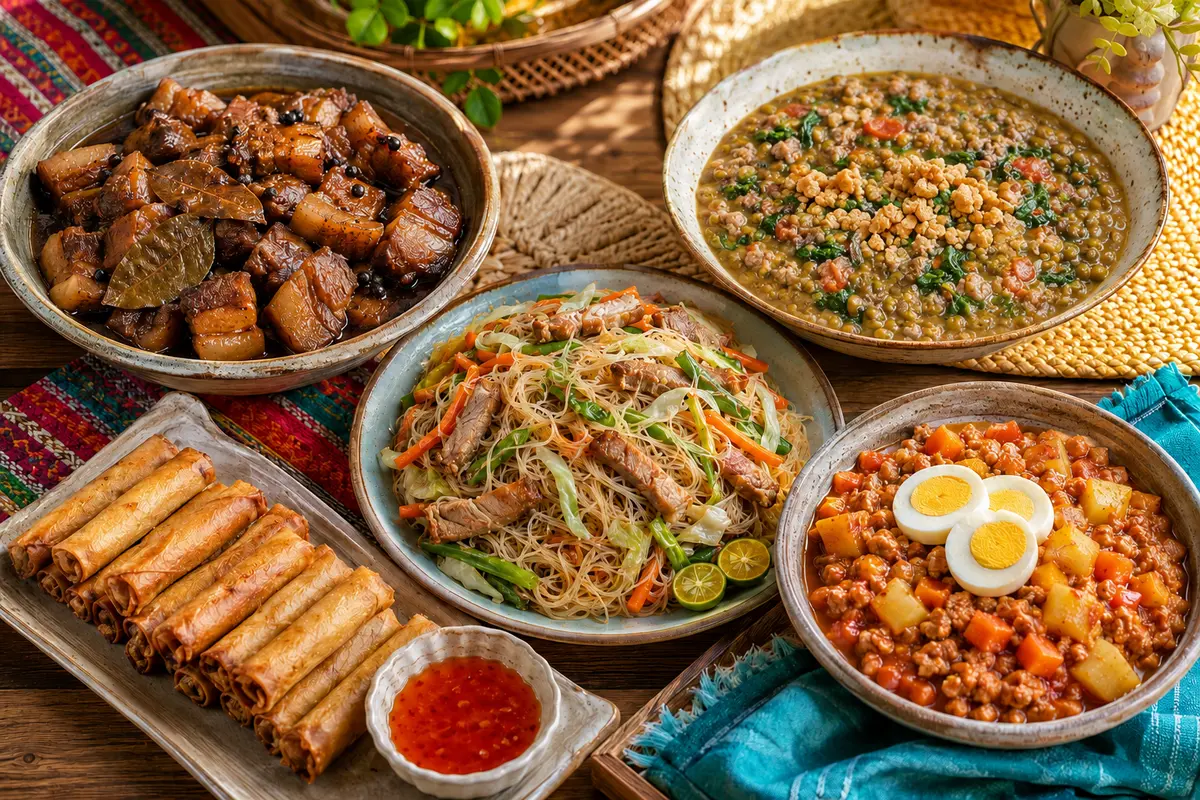
These five Filipino lunch ideas are dishes I already make for my own family: pork adobo, ginisang munggo, pancit bihon, lumpiang Shanghai, and pork giniling. They’re comforting, flavorful, and practical enough for regular weekdays—not just special occasions.
Most of them also reheat well, can be prepared ahead, or make enough for leftovers. And honestly, anything that keeps me from having to start completely over at the next meal is a win.
Whether you grew up eating Filipino food or you’re learning to cook it for the first time, these recipes are a delicious place to start.
What Does a Filipino Lunch Usually Look Like?
For many Filipino families, rice is the center of the meal. We serve it with an ulam, or main dish, and sometimes add vegetables, noodles, soup, or something fresh on the side.
But a Filipino lunch doesn’t need to have five different dishes on the table. Some of the most satisfying meals are also the simplest—rice with adobo, munggo with something crispy, or giniling spooned right over the top.
Filipino cooking is also very flexible. Every family has its own way of making these dishes, and even the same person may cook a recipe a little differently depending on what’s available that day. That’s part of the beauty of it.
Use these recipes as your starting point. Cook, taste, adjust, and make them work for your family.
Now, let’s figure out lunch!
1. Pork Adobo
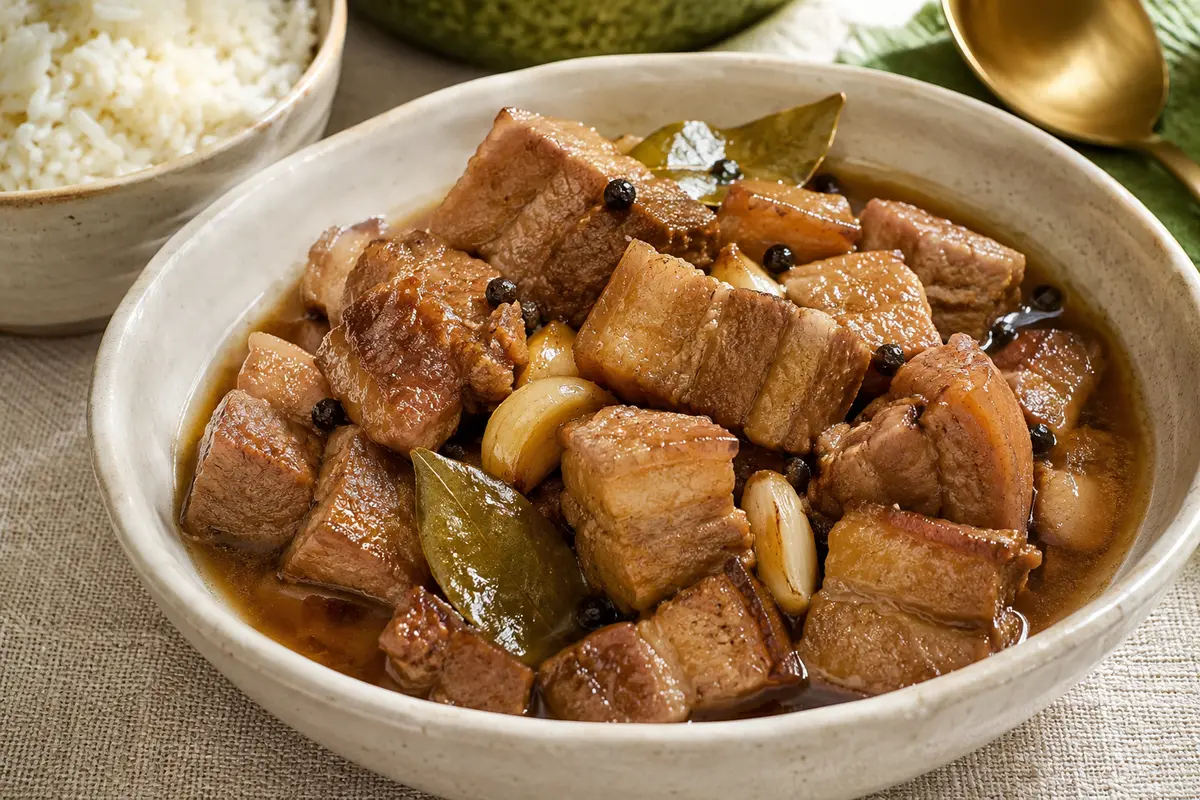
Of course, we have to start with pork adobo.
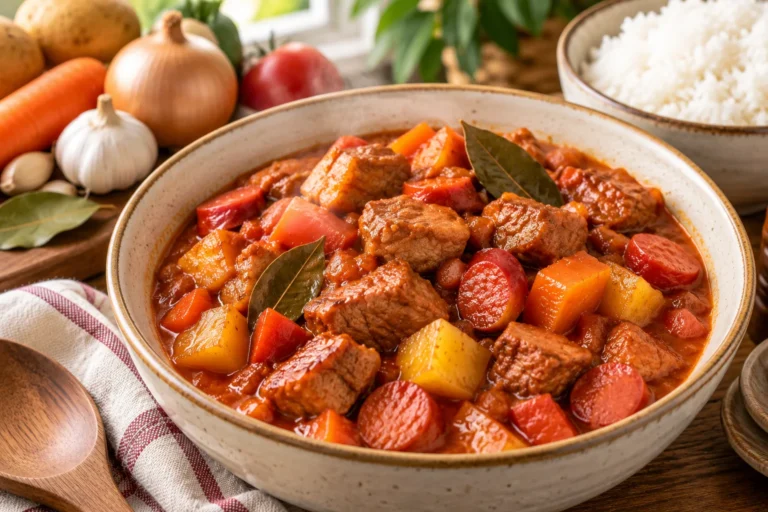
Adobo is one of the first dishes people think of when they hear “Filipino food,” and there’s a good reason for that. It’s savory, tangy, garlicky, comforting, and absolutely made for eating with rice.
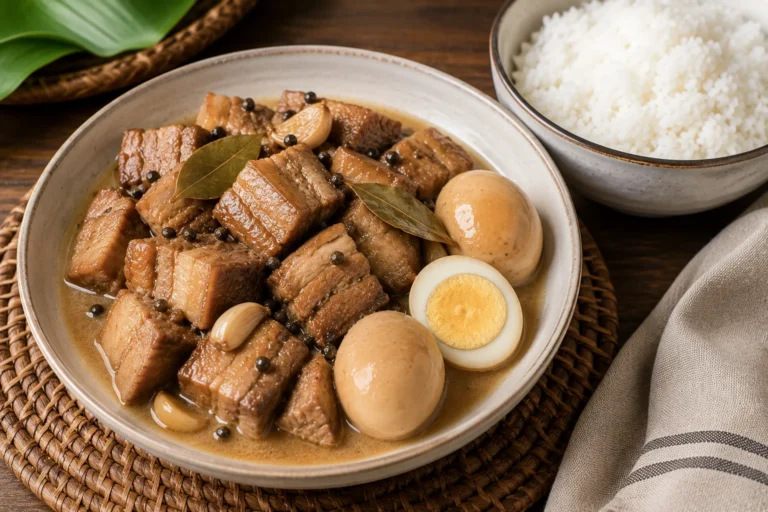
My pork adobo is made with pork shoulder simmered in soy sauce, vinegar, oyster sauce, garlic, onion, bay leaves, and peppercorns. I brown the pork first because that extra step adds so much flavor.
This is one of my favorite make-ahead meals because adobo reheats so well. Some people would even say it tastes better the next day after the pork has had more time to sit in that flavorful sauce—and I’m not going to argue with them.
Serve it with warm jasmine rice and sliced tomatoes or cucumbers. If you have leftover sauce, spoon that over the rice too. Don’t waste the good part!
Ready to make it? Follow my complete Filipino Pork Adobo Recipe for all the ingredients, step-by-step instructions, and tips for getting the pork tender and flavorful.
2. Ginisang Munggo
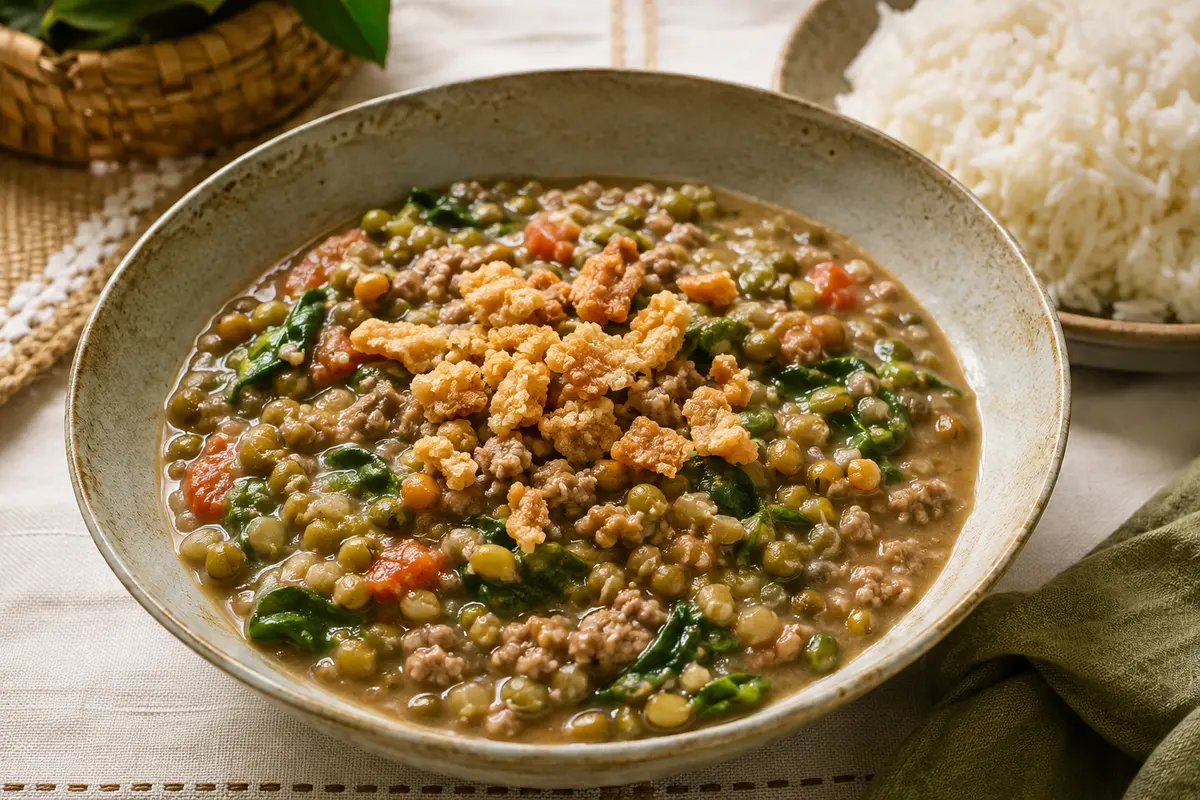
Ginisang munggo is one of those meals that just feels like home.
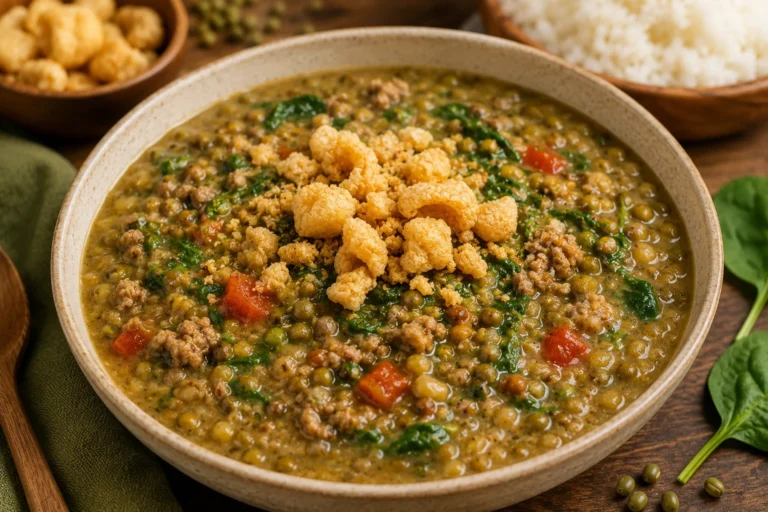
It’s a thick, comforting mung bean stew made with ground pork, tomatoes, garlic, onion, and leafy greens. I like to add crushed chicharon on top because it gives the munggo extra flavor and a little crispy texture.
In the Philippines, many families traditionally cook munggo on Fridays. You definitely don’t have to wait until Friday, though. It’s affordable, filling, and perfect for any day when you want something warm and comforting.
The mung beans become creamy as they cook, and the pork and vegetables make the dish hearty enough for lunch. Add rice and you have a full meal.
You can also serve it with fried fish or another crispy dish if you want to make the table a little more exciting.
One thing to remember: munggo gets thicker as it sits. If your leftovers look extra thick the next day, don’t panic. Add a splash of water while reheating, stir it well, and taste again before serving.
You can make it at home with my complete Munggo Recipe (Filipino Mung Bean Stew). I included the ingredients, cooking instructions, and tips for getting the consistency just right.
3. Pancit Bihon
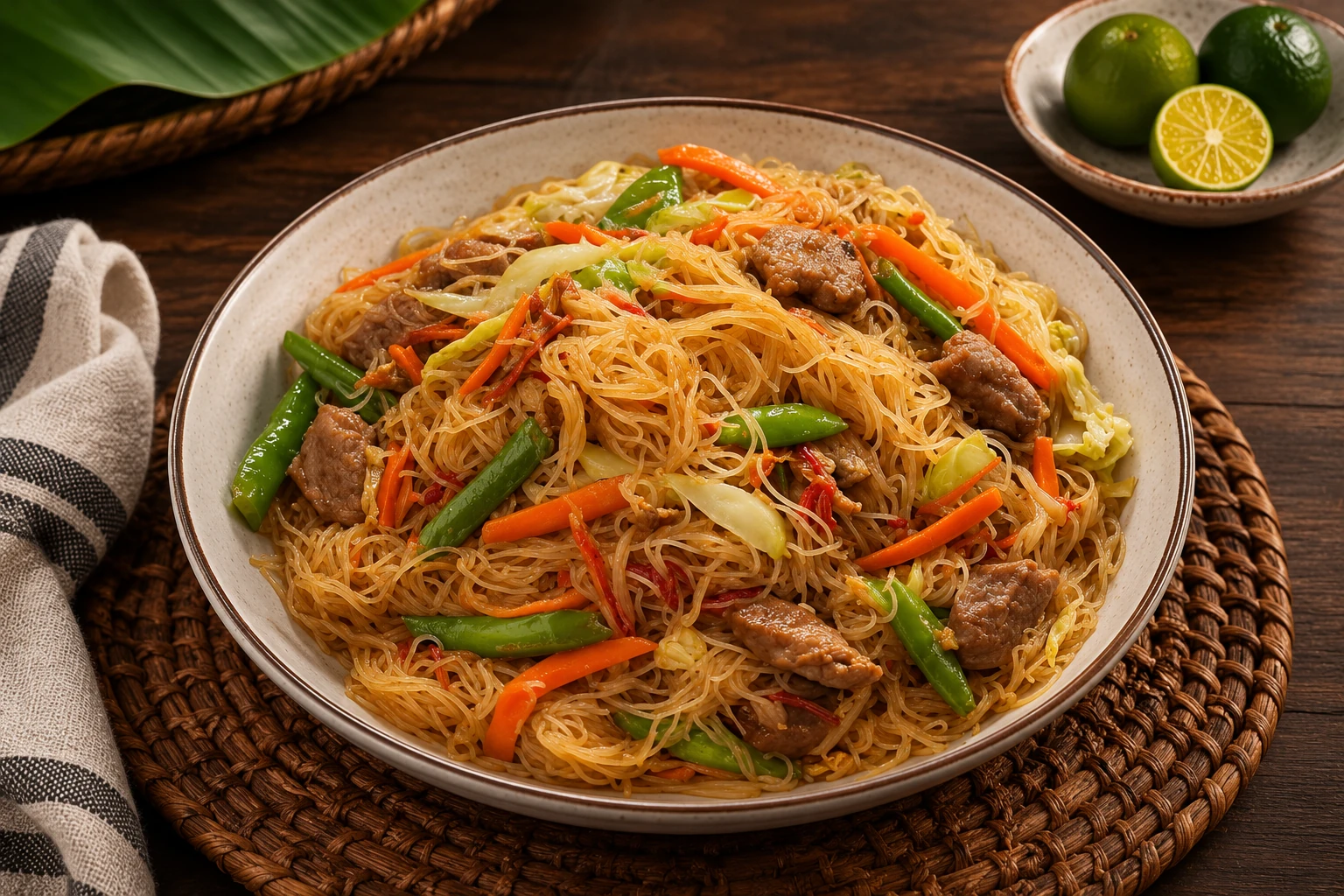
Pancit bihon may be a regular guest at Filipino birthdays and celebrations, but we don’t have to wait for somebody’s birthday to eat it. That would be a very long wait between plates of pancit.
This classic Filipino noodle dish is made with thin rice noodles, pork, and vegetables cooked in a savory sauce. A squeeze of calamansi at the end adds a fresh, bright flavor that brings everything together.
Pancit is great for a family lunch because one wok can feed several people. It also gives you noodles, meat, and vegetables all in one dish, which is always helpful when you don’t feel like cooking several things.
My version includes pork, carrots, cabbage, and green vegetables. The biggest thing to watch is the amount of liquid. Different brands of bihon absorb liquid differently, so add it gradually and pay attention to the noodles instead of following the measurement blindly.
You can serve pancit bihon by itself for a lighter lunch or pair it with Lumpiang Shanghai.
Pancit and lumpia together? Now that feels like a Filipino party—even if it’s just a regular Wednesday.
See exactly how I prepare it in my Easy Pancit Bihon Recipe, with step-by-step instructions for cooking the pork, vegetables, and noodles.
Want All Five Recipes in One Easy Guide?
Download my free Filipino Dinner Starter Kit. It includes all five recipes in this post, a five-day meal plan, a one-trip grocery list, and a beginner Filipino pantry guide.
And yes, even though it says “dinner,” these meals are just as good for lunch!
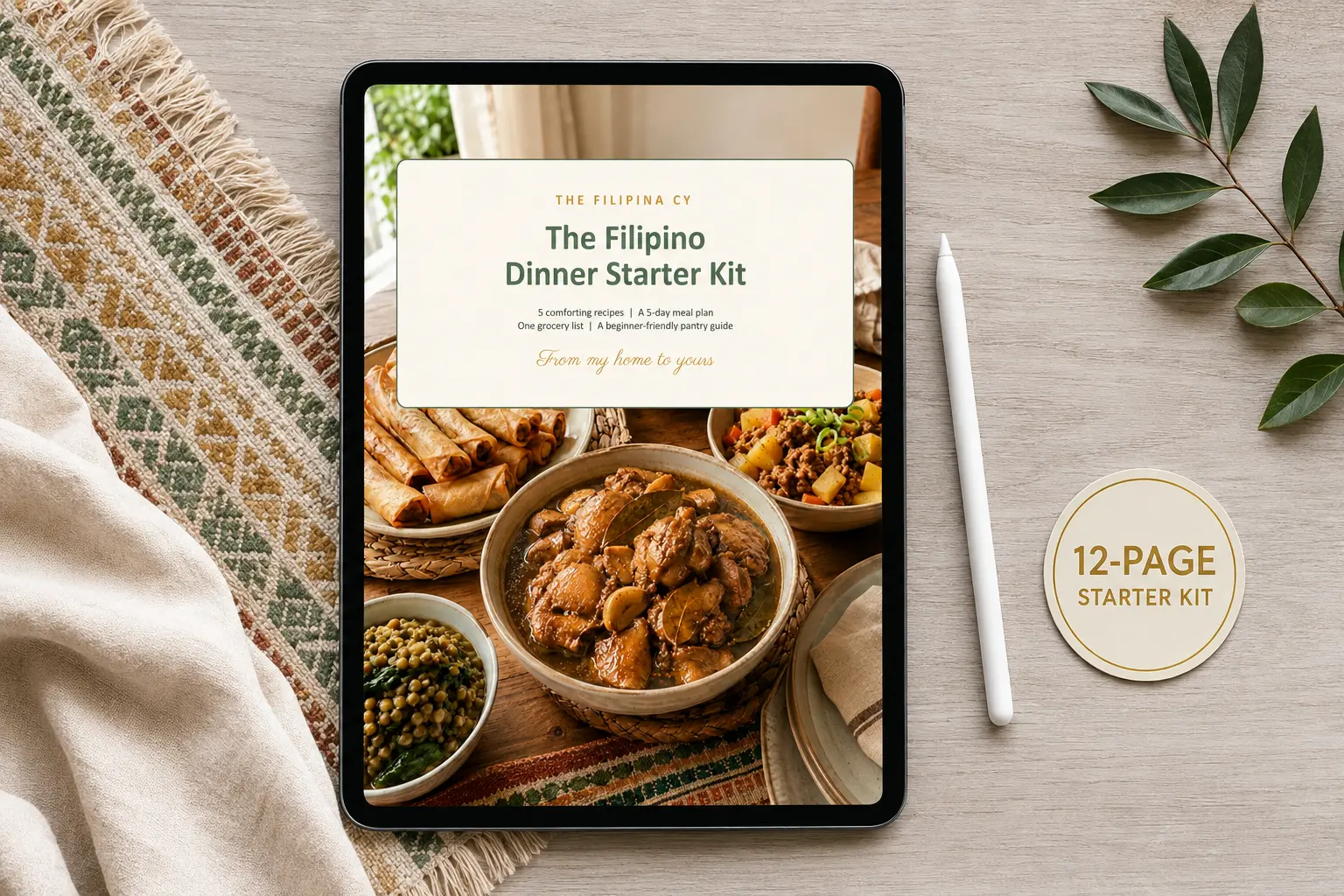
→ Get the Free Filipino Dinner Starter Kit
4. Lumpiang Shanghai
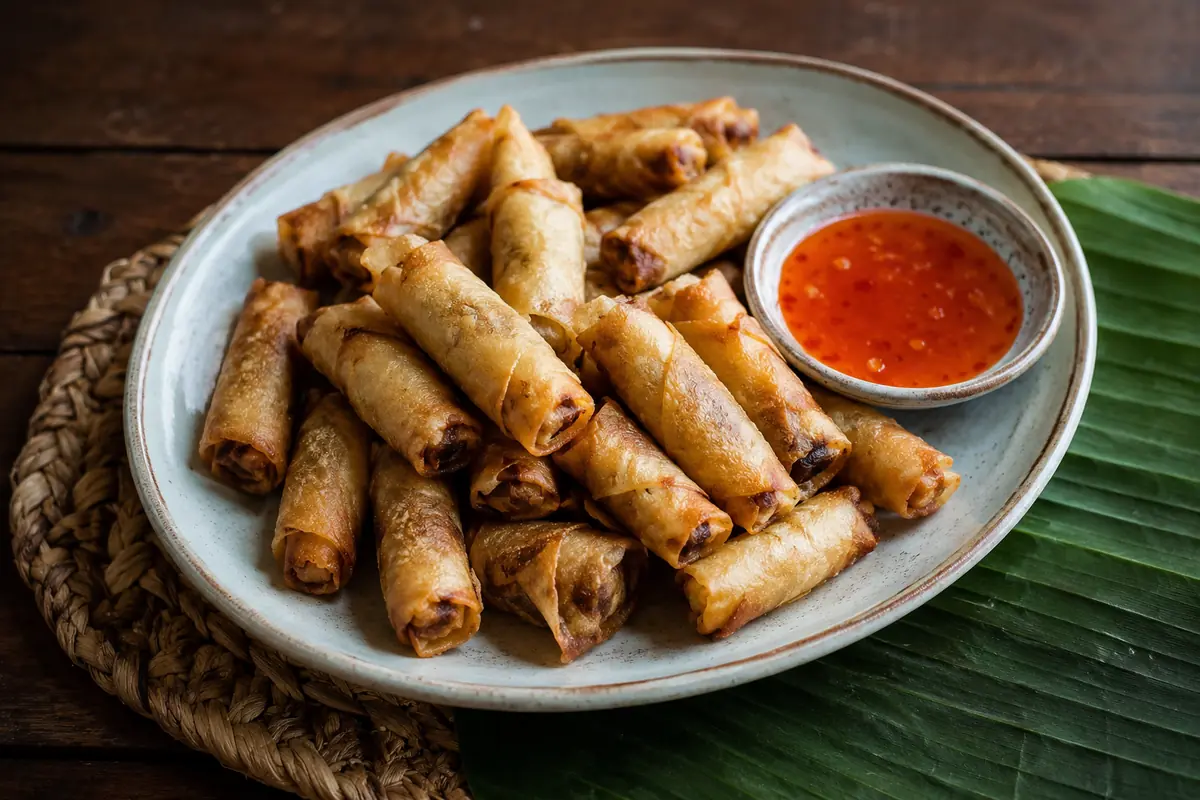
You know that tray of lumpia at a Filipino party that’s already half-empty before everyone has finished getting their food? That’s lumpiang Shanghai.
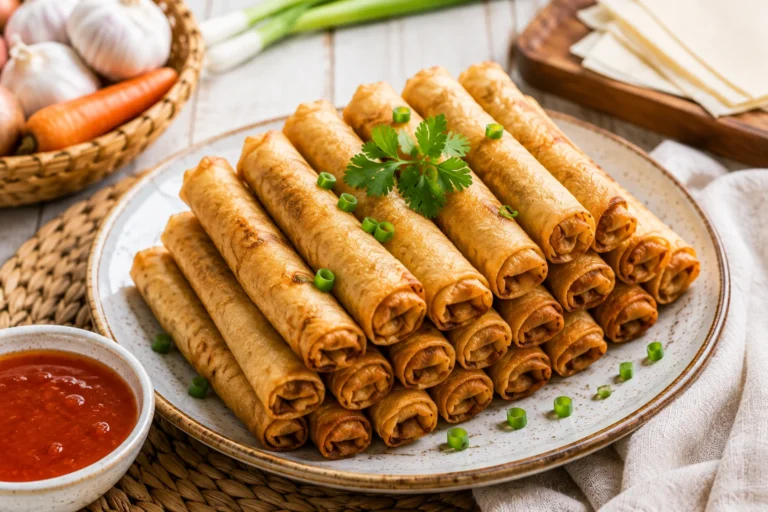
These little Filipino spring rolls are filled with seasoned ground pork, finely chopped carrots, and onion, then fried until crispy and golden brown.
They may be known as party food, but lumpiang Shanghai also makes a really fun lunch.
Serve the lumpia with warm rice and sweet chili sauce, or pair them with pancit and vegetables for a fuller meal. Just don’t be surprised if a few disappear before they ever reach the table.
Lumpiang Shanghai takes some time to roll, so I like making a large batch. You can freeze the uncooked rolls and fry only what your family needs. Having lumpia waiting in the freezer is never a bad situation.
Here’s one tip I always recommend: fry one tester roll before wrapping the whole batch. Taste it and adjust the seasoning if needed.
It’s much better to find out after one roll than after you’ve already wrapped fifty of them!
Ready to start rolling? My complete Lumpiang Shanghai Recipe walks you through mixing, rolling, frying, and freezing a full batch of crispy Filipino spring rolls.
5. Pork Giniling
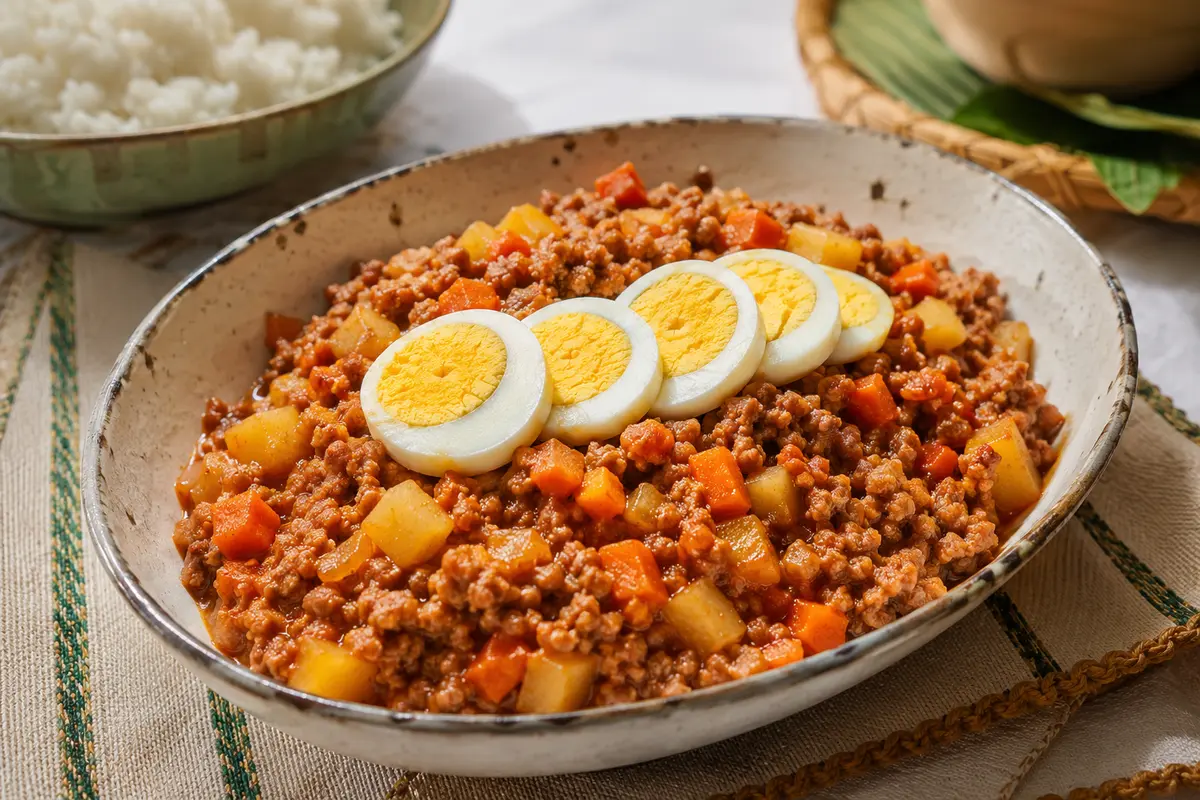
Pork giniling isn’t usually the loudest dish on a Filipino table, but it’s one of the most practical—and sometimes that’s exactly what we need.
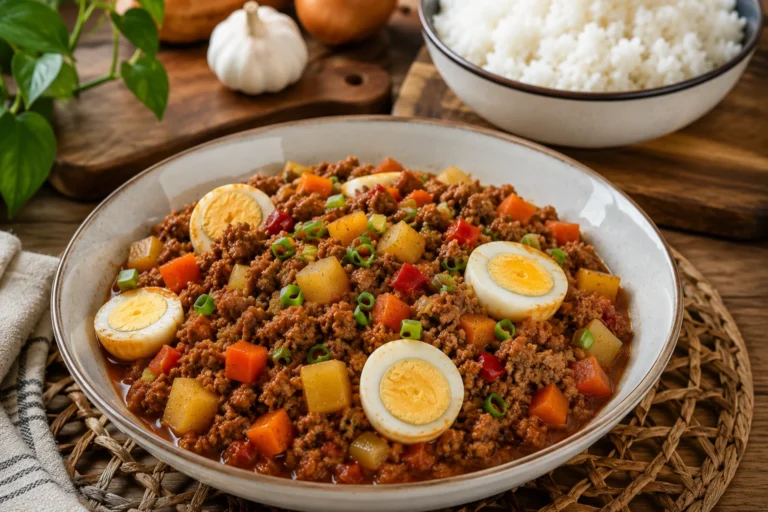
It’s made with ground pork cooked in tomato sauce with potatoes and carrots, then topped with sliced boiled eggs. The flavor is savory, slightly sweet, and very family-friendly.
Because the meat and vegetables are already cooked together, all you really need is rice. Spoon the giniling over the top, add some of the tomato-based sauce, and lunch is ready.
Giniling is also easy to portion for packed lunches and tastes great reheated the next day. You can chop the potatoes and carrots ahead of time to make cooking even faster.
This is simple, comforting, everyday Filipino food. It doesn’t need a special occasion, a party, or a table full of side dishes.
Sometimes a bowl of rice and a generous scoop of giniling are more than enough.
Follow my complete Pork Giniling Recipe for the full ingredient list, step-by-step instructions, and serving tips.
An Easy Five-Day Filipino Lunch Plan
If deciding what to cook every day is the part you hate most, here’s a simple plan using all five recipes:
Monday: Pork Adobo
Cook it the day before and let those flavors get even better.
Tuesday: Ginisang Munggo
Make a large pot and add a little water as needed when reheating.
Wednesday: Pancit Bihon
Slice the pork and vegetables ahead of time.
Thursday: Lumpiang Shanghai
Freeze the uncooked rolls in smaller batches and fry only what you need.
Friday: Pork Giniling
Dice the potatoes and carrots ahead of time for faster cooking.
You don’t have to follow this schedule exactly. Switch the days around, use leftovers, or pair pancit with lumpia when you want something a little more festive.
The plan is supposed to make your week easier—not give you another set of rules to follow.
What Can I Serve With These Filipino Lunches?
Steamed jasmine rice is the easiest answer for adobo, munggo, lumpia, and giniling. Pancit bihon can be served on its own or as part of a bigger meal.
If you want to add a simple side, try:
- Sliced tomatoes or cucumbers
- Salted egg with tomatoes
- Atchara, or pickled green papaya
- Steamed or sautéed vegetables
- Fresh fruit
- Sweet chili sauce for lumpiang Shanghai
- Calamansi or lemon wedges for pancit bihon
You don’t need to prepare several sides. Pick one that adds something fresh, tangy, or crispy, and call it a meal.
A Few Ways to Make Filipino Lunch Easier
Cook enough for leftovers. Adobo, munggo, and giniling all reheat well. Making extra today can save you from cooking another full meal tomorrow.
Prep shared ingredients at the same time. Several of these dishes use garlic, onion, carrots, and pork. Chop and portion what you can while everything is already out.
Keep rice ready. Warm rice can turn almost any leftover ulam into lunch. Leftover rice can also become garlic fried rice the next morning.
Let your freezer help you. Freeze lumpiang Shanghai in smaller batches so you don’t have to fry all fifty rolls at once—unless you have a crowd, in which case fifty may suddenly not feel like very many.
Taste as you cook. Filipino cooking is all about balance. Taste the dish and adjust the salty, tangy, savory, or slightly sweet flavors until they feel right for your family.
Get All Five Recipes in My Free Filipino Dinner Starter Kit
Want to keep all five recipes together instead of opening five different tabs every time you plan your meals?
Download my free Filipino Dinner Starter Kit. It includes:
- All five recipes from this post
- A simple five-day meal plan
- A one-trip grocery list
- A beginner Filipino pantry guide
Don’t let the word “dinner” stop you. Every dish in the kit works just as well for lunch.
The goal is to make Filipino cooking feel easier, whether you’re cooking these dishes for the first time or simply need help planning the week.
→ Get the Free Filipino Dinner Starter Kit
Can These Filipino Lunch Ideas Also Be Served for Dinner?
Absolutely. These are everyday Filipino dishes rather than lunch-only recipes. Serve them for lunch, dinner, packed meals, or as part of a larger family-style spread.
Do All Filipino Lunches Include Rice?
Rice is commonly served with Filipino meals, but it isn’t required. Pancit bihon can be enjoyed by itself, and lumpiang Shanghai can be served as a snack, appetizer, or part of a meal.
How Many Dishes Do I Need for a Filipino Lunch?
One good ulam with rice is enough for an everyday meal. You don’t need to prepare a large spread. Add sliced tomatoes, vegetables, or fruit if you want something fresh on the side.
Which of These Recipes Should a Beginner Make First?
Start with pork giniling or pork adobo. Both use familiar ingredients, pair easily with rice, and make excellent leftovers. Giniling is straightforward, while adobo is a good introduction to balancing salty and tangy Filipino flavors.
From My Home to Yours
Filipino food doesn’t have to feel complicated. Start with one recipe, make a pot of rice, and taste as you go.
These five Filipino lunch ideas are only a starting point. Change the schedule, add your favorite sides, and adjust the recipes until they feel like they belong at your own family table.
I hope these dishes bring a little comfort, a lot of flavor, and maybe even a taste of home—wherever you are.
Kain tayo! Let’s eat! 🙂