What Is Pork Giniling? An Everyday Filipino Favorite
If you grew up eating Filipino food, giniling probably doesn’t need much of an introduction.
It’s one of those everyday dishes that can show up on the table without much fuss—ground meat cooked with vegetables and seasonings, usually served with plenty of hot rice.
And depending on who’s cooking it, that plate of giniling can look completely different.
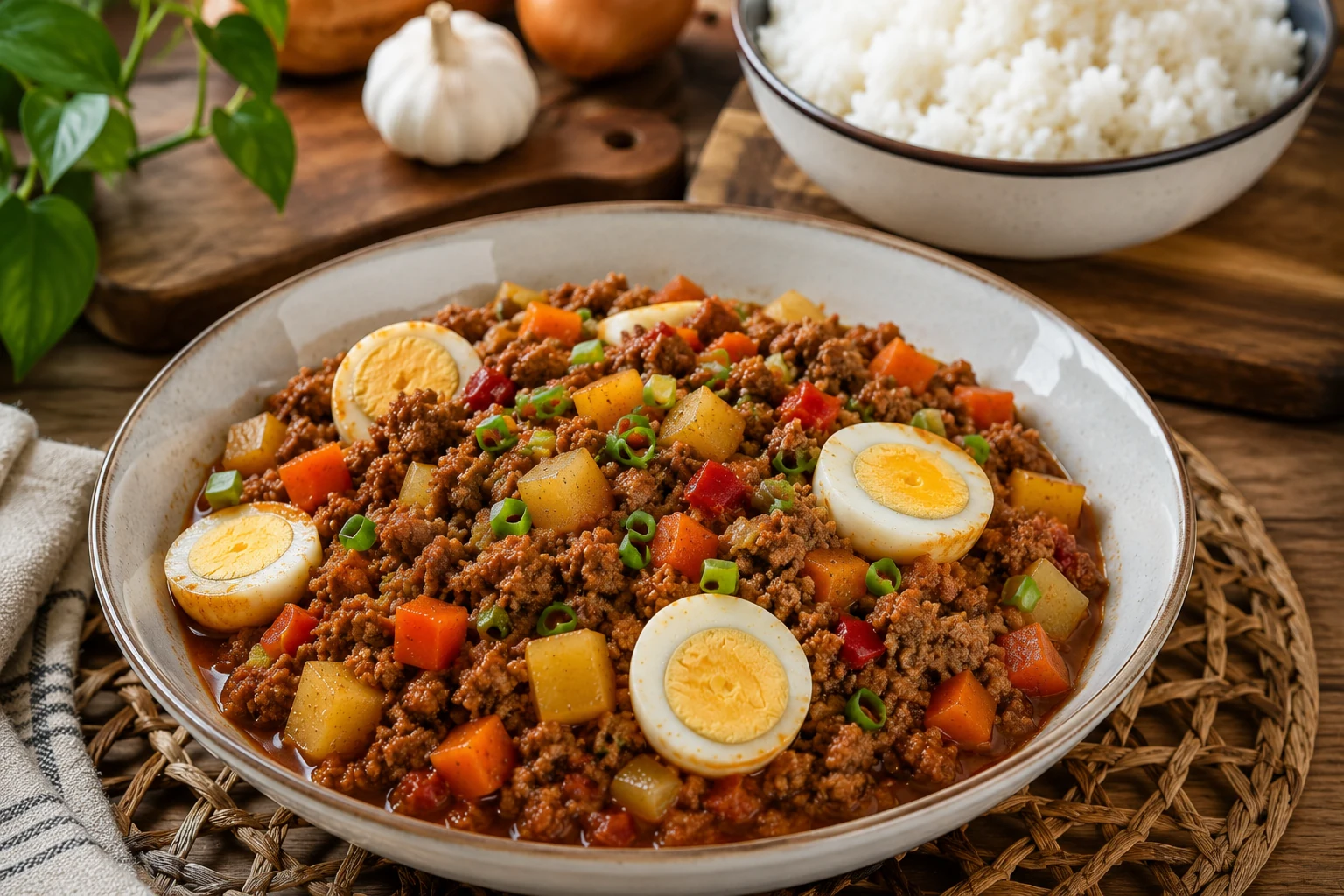
Some versions are tomato-based. Some have potatoes and carrots. Others have peas, bell peppers, raisins, or boiled eggs.
That’s the thing about giniling.
There really isn’t just one way to make it.
What Does Giniling Mean?
The word giniling comes from giling, which means to grind.
So giniling technically refers to something that has been ground or minced rather than one specific Filipino recipe.
Giniling na baboy is ground pork, while giniling na baka is ground beef.
But when someone says they’re making giniling for dinner, they’re often talking about that familiar home-style dish of ground meat cooked with vegetables and a savory sauce.
And if someone says there’s giniling for dinner?
You already know the rice needs to be ready.
What Is Filipino Giniling Made Of?
This is where every household gets to have an opinion.
Ground pork is a popular choice, although beef can be used too.
Then come the vegetables and everything else.
You might find potatoes, carrots, peas, bell peppers, tomatoes or tomato sauce, raisins, boiled eggs, or even quail eggs.
Do you need all of those?
Definitely not.
That’s one of the nice things about giniling. You can make it according to what your family likes—or, realistically, according to what’s actually in the kitchen that day.
Everyone Seems to Make Giniling Differently
This feels very Filipino to me.
You can compare the same dish with another family and suddenly realize they’ve been making it completely differently your whole life.
“You put raisins in yours?”
“Wait… you don’t?”
Some people like their giniling a little sweet. Others want it completely savory.
Some make it really saucy. Others cook it down until there’s barely any sauce left.
There are versions with peas and bell peppers, versions with boiled eggs or quail eggs, and really simple versions with just a few vegetables.
And somehow, they’re all still giniling.
That’s why I don’t think dishes like this need one single “correct” recipe. Filipino home cooking changes from kitchen to kitchen, and sometimes that’s exactly what makes it interesting.
Is Giniling the Same as Picadillo?
You may have seen Filipino giniling called Filipino picadillo, especially when looking for recipes online.
Picadillo is a ground-meat dish found in several cuisines, including Spanish and Latin American cooking, and there are similarities between it and some Filipino versions of giniling.
But the names and recipes can vary quite a bit.
In everyday Filipino cooking, we also simply call the ground-meat dish giniling.
No complicated explanation needed.
Sometimes giniling is just… giniling.
Yesterday’s Giniling Can Be Tomorrow’s Tortang Giniling
Now this is where leftovers get good.
If you have giniling left in the refrigerator, you can absolutely warm it up and eat it with rice again.
I would.
But you can also mix leftover giniling with beaten eggs and turn it into tortang giniling.
And suddenly, yesterday’s ulam has become another meal.
That’s one of the things I really like about everyday Filipino cooking. Food doesn’t always need to start from scratch. Sometimes you look at what’s left from yesterday and figure out what else you can make with it.
What Do Filipinos Eat With Giniling?
Rice.
I feel like I could end this section right there.
But really, giniling is exactly the kind of ulam that belongs with freshly cooked rice.
A spoonful of ground pork, a piece of potato and carrot, some of that sauce, maybe a piece of boiled egg…
Then another scoop of rice.
You know how it goes.
How I Make My Pork Giniling
My version is pretty simple.
I make mine with ground pork, potatoes, carrots, tomato sauce, and a little oyster sauce for extra savory flavor. I also like adding boiled eggs, although you can absolutely leave them out.
One thing I do differently is fry the potatoes and carrots separately before adding them to the pork.
Yes, it means another pan to wash.
But I like the texture better that way, so I’m keeping the extra pan.
I don’t add peas or raisins to this version. That doesn’t mean they don’t belong in giniling—they’re just not in mine.
And that’s kind of the whole point.
Everyday Filipino Food Deserves a Little Love Too
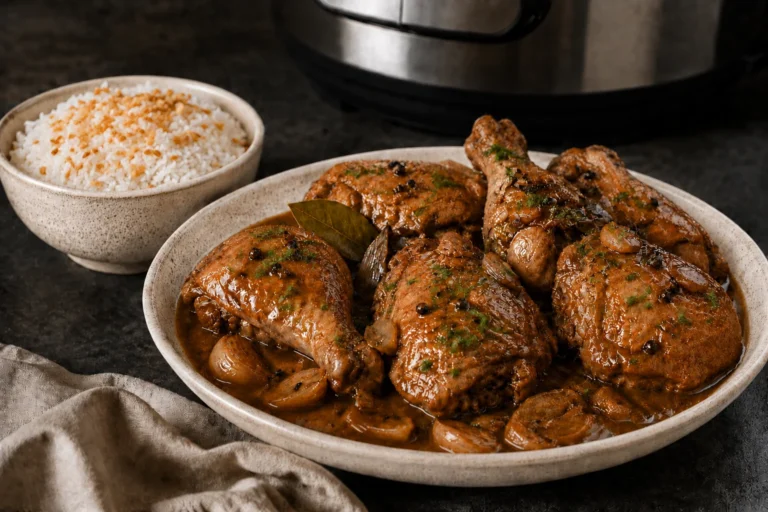
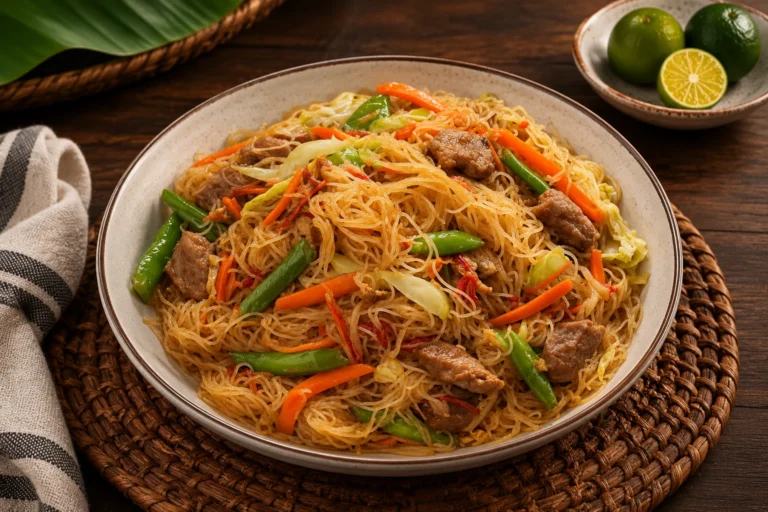
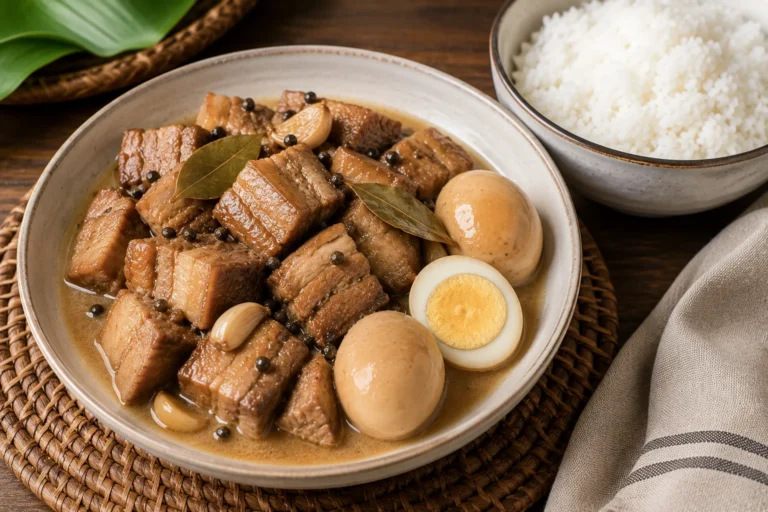
When people first think about Filipino food, dishes like adobo, lumpia, and pancit usually get a lot of the attention.
And I love those foods too.
But Filipino food isn’t only what we cook for celebrations or the dishes everyone recognizes.
It’s also the everyday ulam.
The food you make because everybody needs dinner.
The potatoes and carrots you add to make a dish more filling.
The leftovers that become tomorrow’s breakfast or lunch.
The meals that probably don’t feel particularly special while you’re eating them because they’re simply part of everyday life.
Giniling belongs in that story too.
It doesn’t have to be fancy.
Give me a plate of pork giniling, some hot rice, and maybe a fried egg on the side, and I’m good.