Easy Pancit Bihon Recipe
As an Amazon Associate, I earn from qualifying purchases. This post may contain affiliate links at no additional cost to you.
If there’s pancit on the table, there’s probably something to celebrate—birthdays, holidays, family get-togethers, or sometimes just because someone was craving it.
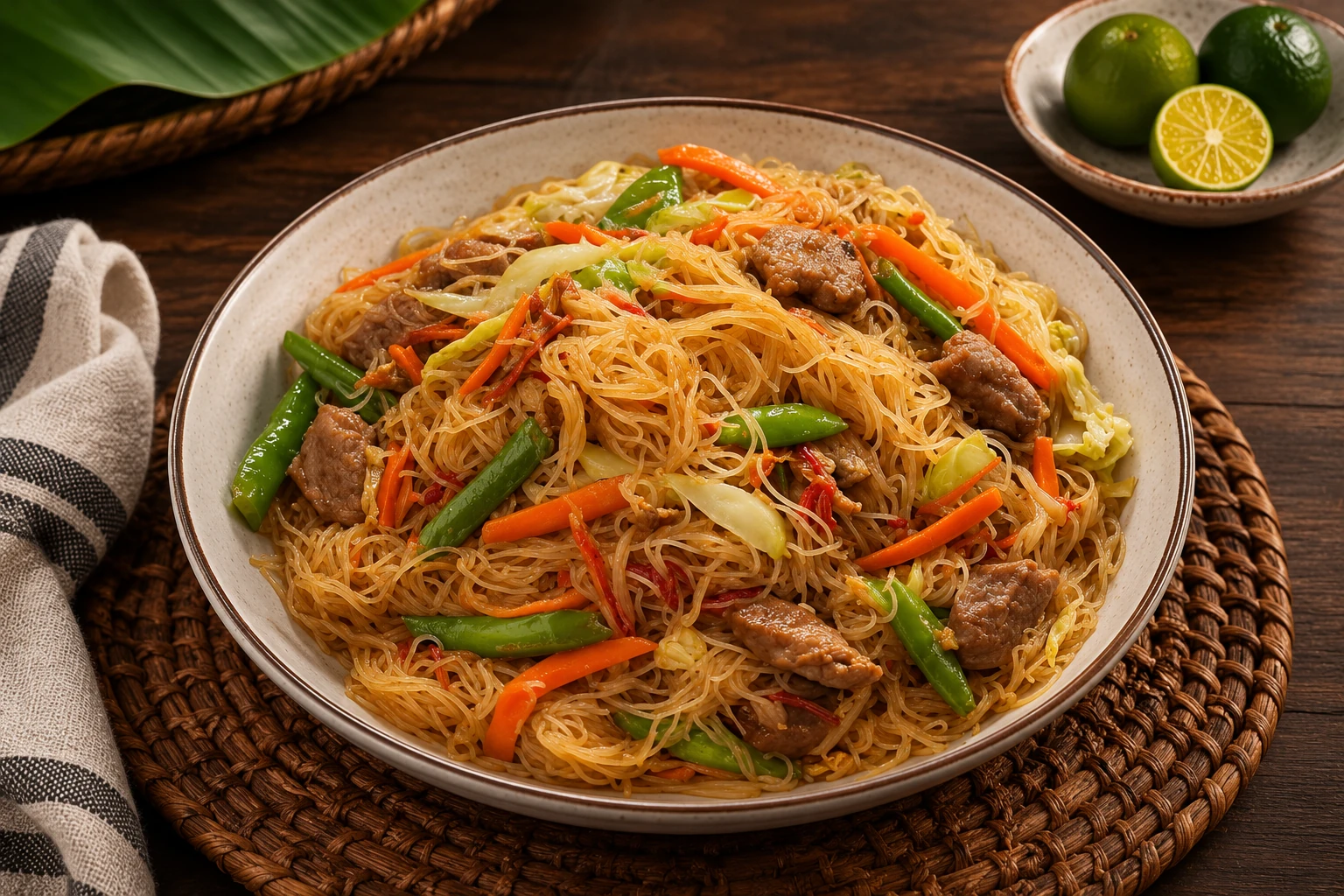
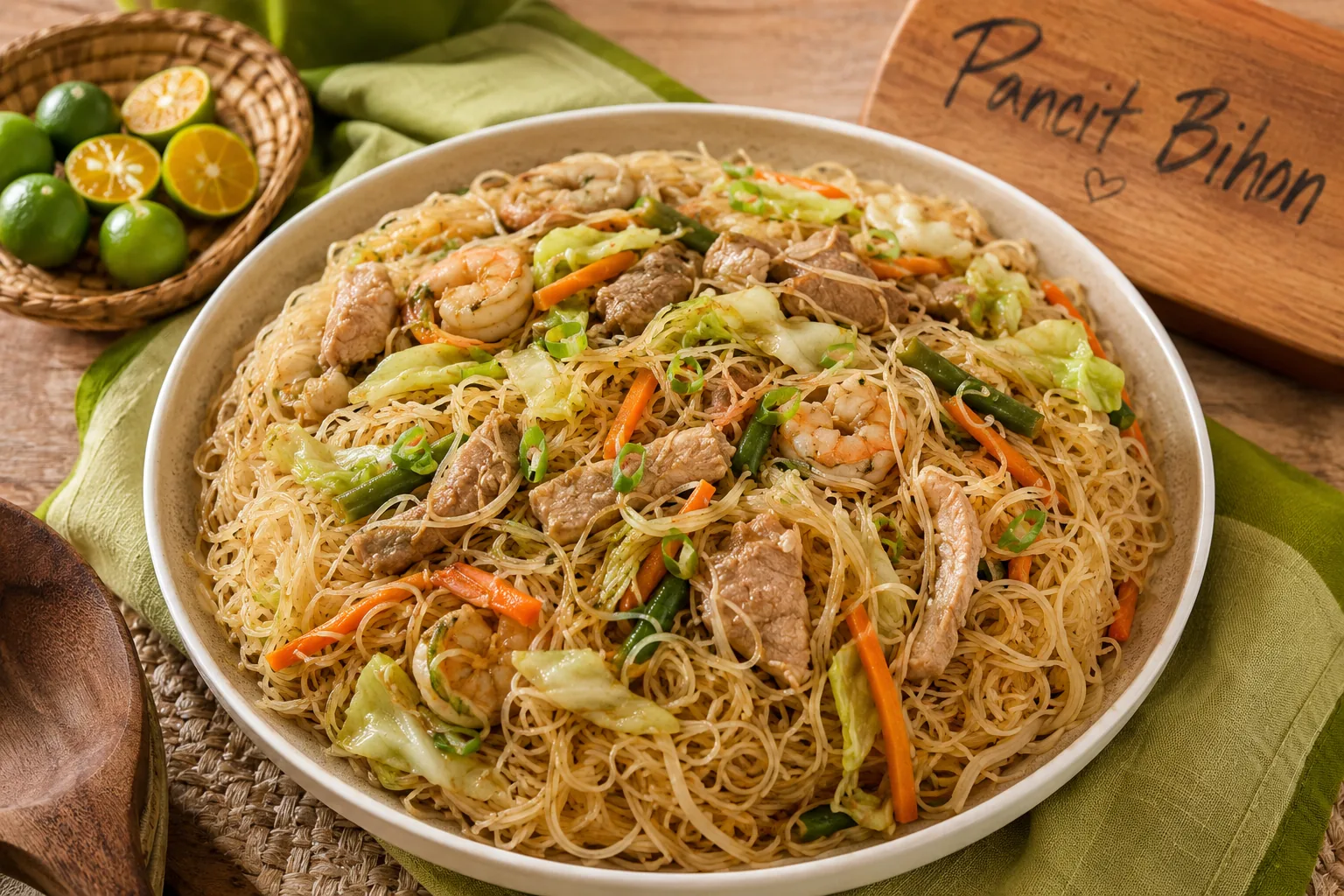
This Pancit Bihon recipe is the version I make with pork and colorful vegetables. To keep the seasoning simple, I use Mama Sita’s Pancit Bihon Mix, then finish everything with fresh calamansi.
Every Filipino family seems to have its own way of making pancit. This easy, savory version is how I make mine.
Curious about the story behind pancit? Read about Filipino Pancit Bihon
What Is Pancit Bihon?
Pancit Bihon is a classic Filipino noodle dish made with thin rice noodles, meat, and colorful vegetables tossed in a savory sauce. It’s commonly served at birthdays, holidays, and family gatherings because noodles traditionally symbolize long life.
The word pancit refers to noodles, while bihon refers to the thin rice noodles used in this recipe. Because bihon noodles absorb the seasoned cooking liquid, they soak up plenty of flavor as they become tender.
If you prefer thicker, chewier wheat noodles, try my Pancit Canton recipe next. Both are Filipino favorites, but the different noodles give each dish its own texture and character.

Why You’ll Love This Pancit Bihon Recipe
- It’s easy to prepare. Mama Sita’s Pancit Bihon Mix keeps the seasoning simple.
- It’s a complete meal. Pork, vegetables, and rice noodles all come together in one satisfying dish.
- It’s full of flavor. The bihon noodles absorb the savory cooking liquid as they become tender.
- It’s perfect for sharing. Make it for birthdays, holidays, family gatherings, or an easy family meal.
- You can adjust it to your taste. Add a little soy sauce or fish sauce for saltiness and fresh calamansi for brightness.
Ingredients You’ll Need
- 227 g (8 oz) pancit bihon rice noodles
- ½ lb pork, thinly sliced
- 1 cup carrots, julienned
- ½ small cabbage, chopped
- 1 cup green beans, thinly sliced
- 1 onion, chopped
- ½ tbsp garlic, minced
- 1 pouch Mama Sita’s Rice Noodle Stir Fry (Pancit Bihon) Mix
- 2 cups (500 mL) water, plus more as needed
- 3 tbsp cooking oil
- Soy sauce or fish sauce, to taste
- Calamansi, for serving
How to Make Pancit Bihon
1. Prepare the bihon
Soak the pancit bihon noodles in water for about 10 minutes. Drain well and set aside.
2. Prepare the seasoning
Dissolve 1 pouch of Mama Sita’s Pancit Bihon Mix in 2 cups (500 mL) of water and set aside.
This makes the seasoning part really easy—no measuring several different sauces and seasonings.
3. Brown the pork
Heat the cooking oil in a large wok or deep pan over medium-high heat.
Add the thinly sliced pork and cook until it starts to brown.
I like cooking the pork first instead of starting with the aromatics. It gives the pork a chance to get some nice color before everything else goes into the pan.
4. Add the onion and garlic
Once the pork is browned, add the onion and garlic.
Sauté everything together until the onion begins to soften and the garlic is fragrant.
5. Add the seasoning mixture
Pour the prepared Mama Sita’s mixture into the pan and bring it to a boil.
Let the pork simmer in the seasoned liquid until cooked through and tender.
6. Add the vegetables
Add the carrots, green beans, and cabbage.
Cook for a few minutes, just until the vegetables begin to soften.
Don’t cook them too long because nobody wants sad, mushy vegetables in their pancit.
7. Remove the pork and vegetables
Remove the pork and vegetables from the pan and set them aside, leaving the seasoned liquid in the pan.
Don’t throw away that liquid! That’s what we’re going to cook the bihon in.
8. Cook the bihon
Add the soaked and drained bihon noodles to the seasoned liquid.
Gently toss the noodles as they cook so they absorb all that flavor.
Continue cooking until the noodles are tender and most of the liquid has been absorbed.
If the liquid is disappearing but the noodles are still too firm, add a little water as needed and keep cooking. Bihon can absorb liquid differently, so don’t worry too much about an exact amount.
9. Put everything back together
Once the bihon is tender, return the pork and vegetables to the pan.
Gently toss everything together and cook for another 1–2 minutes.
Give it a taste. If it needs a little more saltiness, add soy sauce or fish sauce to taste. Start with a small amount—you can always add more.
When you’re ready to serve, squeeze some fresh calamansi over the pancit.
Serve hot and enjoy with the family!
A Few Tips Before You Make It
Brown the pork first. This is how I like to start my pancit. Letting the pork get some color before adding the onion and garlic adds another layer of flavor.
Have everything ready before you start. Once you start cooking pancit, everything moves pretty quickly, so chop your vegetables and have the seasoning mixture ready to go.
Don’t overcook the vegetables. They only need a few minutes because they’ll cook a little more when you add them back to the noodles.
Let the bihon absorb the seasoned liquid. This is where the noodles get all that flavor.
Add water if you need it. If the bihon is still firm but has already absorbed most of the liquid, just add a little more water and keep cooking until the noodles are tender.
Taste before serving. Once everything is back in the pan, taste your pancit and adjust the saltiness with a little soy sauce or fish sauce if needed.
Finish with calamansi. Squeeze fresh calamansi over the pancit right before eating. That little bit of citrus at the end makes such a difference.
What to Serve with Pancit Bihon
You can definitely eat Pancit Bihon on its own, but let’s be honest—it’s even better with Lumpiang Shanghai on the side.
If you’re making this for a birthday, holiday, or family get-together, the two just belong together.
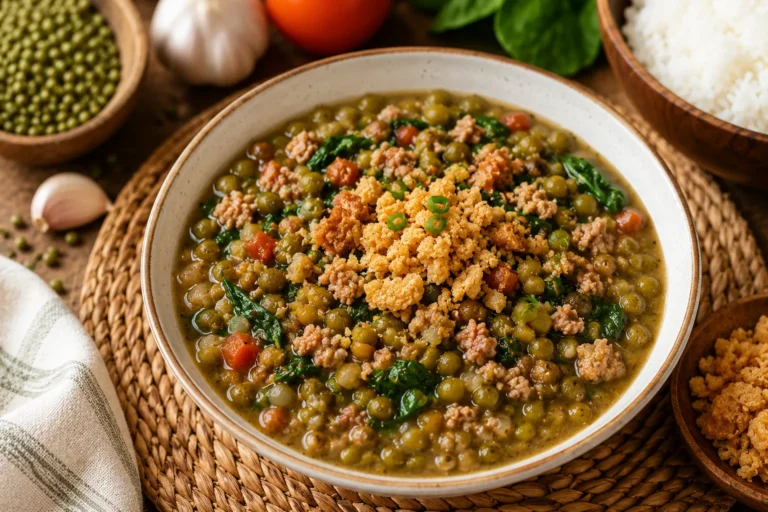
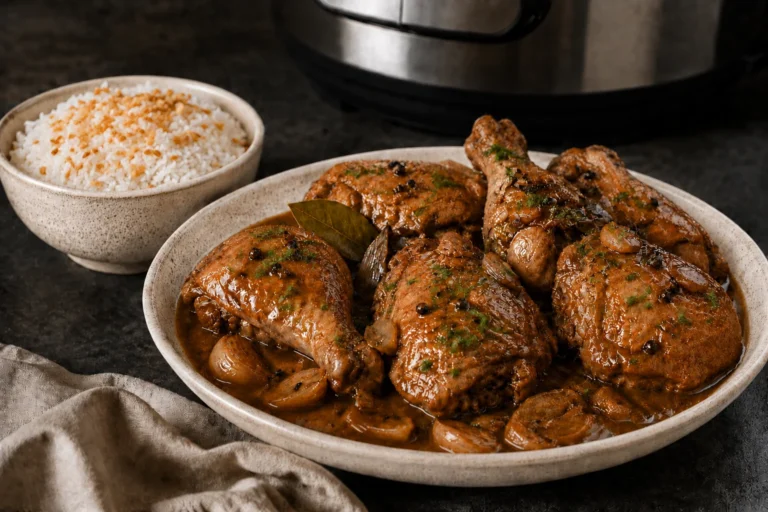
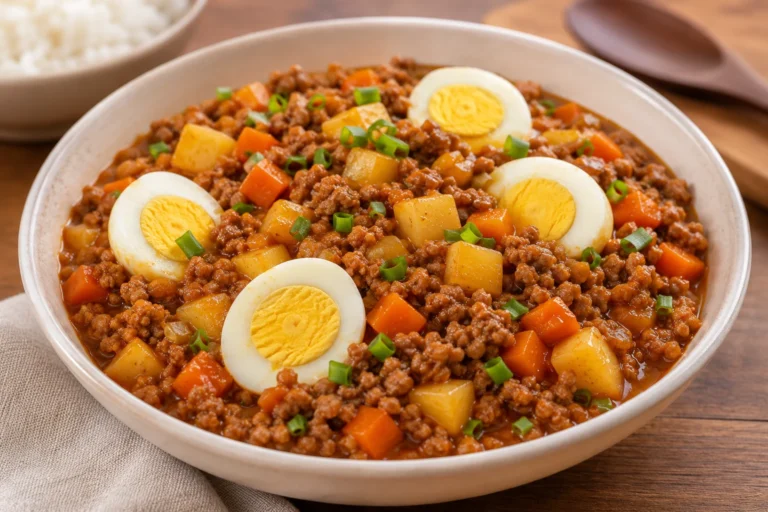
Need more ideas for your next family meal? → See these easy Filipino recipes for lunch, including pork adobo, munggo, lumpiang Shanghai, and pork giniling.
How to Store and Reheat Leftover Pancit Bihon
If you actually have leftovers, let the pancit cool before transferring it to an airtight container and storing it in the refrigerator.
When I reheat pancit, I prefer steaming it instead of using the microwave. It warms the noodles gently and helps bring back some of their moisture without drying them out.
Place the pancit in a heat-safe dish and set it inside your steamer. Cover and steam until the noodles and pork are heated all the way through.
If the pancit looks a little dry before steaming, sprinkle a small amount of water over the noodles first. You don’t need much—the steam will do most of the work.
Once it’s hot, serve it with a fresh squeeze of calamansi.
Easy Pancit Bihon Recipe
Ingredients
Equipment
Method
- Prepare the noodles. Soak the pancit bihon noodles in water for about 10 minutes. Drain well and set aside.
- Prepare the seasoning. Dissolve the Mama Sita’s Pancit Bihon Mix in 2 cups of water. Set aside.
- Brown the pork. Heat the cooking oil in a large wok or deep skillet over medium-high heat. Add the sliced pork and cook until browned and cooked through.
- Sauté the aromatics. Add the onion and garlic. Cook until the onion begins to soften and the garlic is fragrant.
- Add the seasoning. Pour the prepared seasoning mixture into the wok and bring it to a boil. Reduce the heat and simmer until the pork is tender.
- Cook the vegetables. Add the carrots, green beans, and cabbage. Cook for a few minutes, just until they begin to soften. Remove the pork and vegetables from the wok and set aside, leaving the seasoned liquid behind.
- Cook the bihon. Add the soaked and drained noodles to the seasoned liquid. Gently toss and cook until the noodles are tender and most of the liquid has been absorbed. If the noodles are still firm, add a little water as needed.
- Combine everything. Return the pork and vegetables to the wok. Gently toss everything together and cook for another 1–2 minutes.
- Season and serve. Taste and add a small amount of soy sauce or fish sauce if needed. Serve hot with fresh calamansi.
Notes
- Soak the bihon noodles only until pliable; avoid oversoaking so they don’t become mushy.
- Slice the pork and vegetables thinly and evenly for quick, consistent cooking.
- Add the noodles after the broth and seasonings are well combined so they absorb the savory flavor.
- Toss gently while cooking to keep the delicate rice noodles from breaking.
- Adjust the soy sauce or fish sauce to taste, especially if using a prepared Pancit Bihon seasoning mix.
- Serve warm with fresh calamansi on the side for squeezing over the noodles.
Get My Free Filipino Dinner Starter Kit
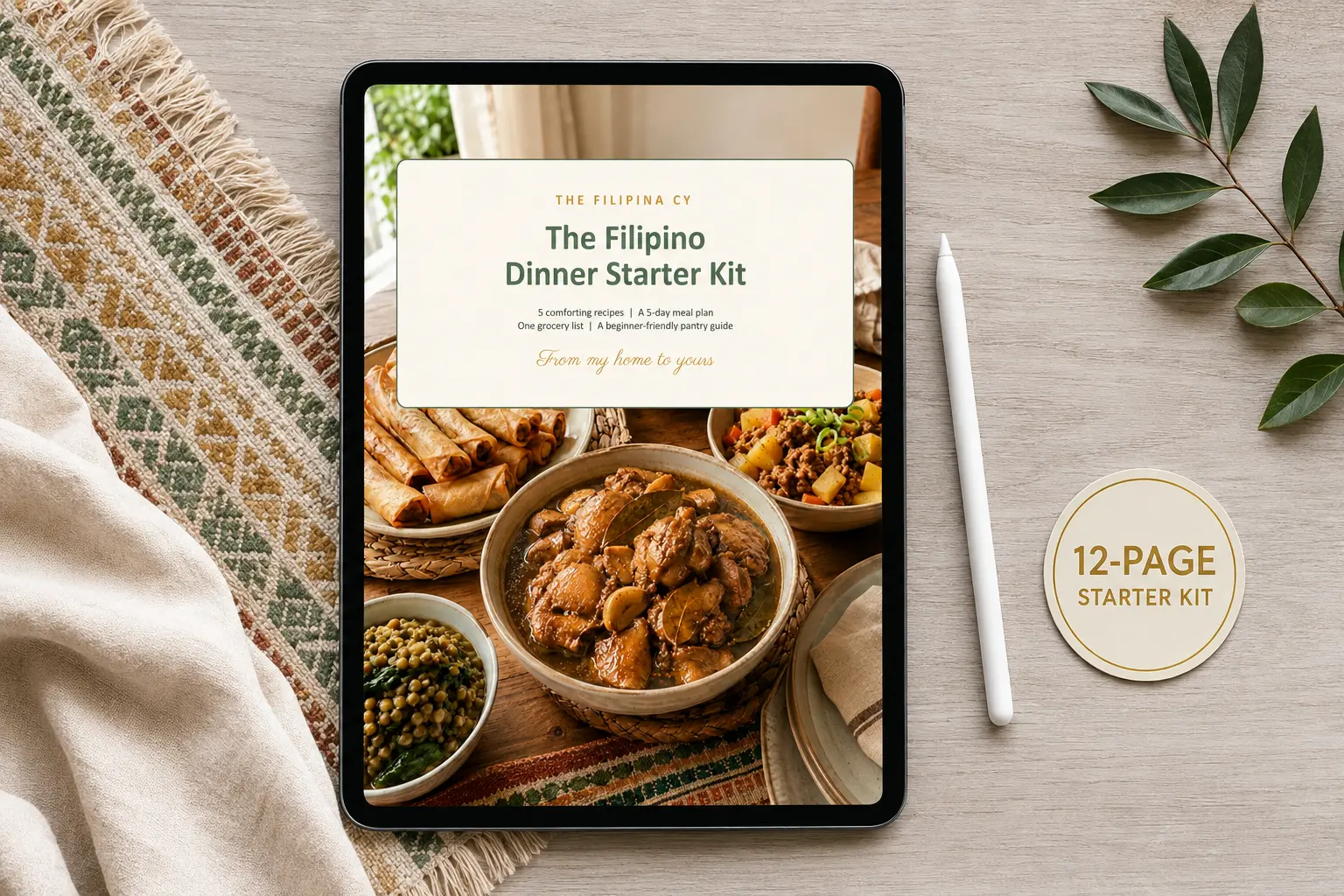
Want to make Filipino cooking easier? My free Filipino Dinner Starter Kit includes five family-friendly recipes, a five-day meal plan, a one-trip grocery list, and a beginner-friendly Filipino pantry guide.
More Filipino Recipes to Try
If you’re making a Filipino spread, try this with my Lumpiang Shanghai. Crispy lumpia and pancit together? You really can’t go wrong.
And if you haven’t made my Filipino Pork Adobo yet, that’s another good one to add to your list. → Here’s the recipe
I’ll be adding more of the Filipino food I grew up eating and still cook at home, so there’s definitely more coming!
Shop My Cooking Essentials
A big wok or deep skillet makes Pancit Bihon so much easier to cook. You need enough room to toss all those noodles, pork, and vegetables without half of your dinner ending up on the stove. 😂
(As an Amazon Associate, I earn from qualifying purchases at no extra cost to you.)